

5 Steps How to Create Immersive Content and Boost Audience Engagement (Easy Guide for Independent Filmmakers)

As independent filmmakers, we're living through one of the most exciting times in entertainment history. The barriers between creators and audiences are crumbling, and immersive content is leading the charge. But here's the thing: creating truly engaging immersive experiences isn't just about having the latest VR headset or 360-degree camera.
We've seen too many passionate filmmakers pour their hearts into projects that technically work but somehow miss the mark on audience engagement. The good news? There's a clear path to creating immersive content that doesn't just wow people for five minutes, but keeps them coming back for more.
Let's dive into the five essential steps that'll transform your approach to immersive storytelling and help you build the kind of audience engagement that makes careers.
Step 1: Know Your Audience Inside and Out (Then Craft Your Story Around Them)
Before you even touch a camera, we need to get crystal clear on who you're creating for and how you want them to feel. This seems obvious, but you'd be surprised how many filmmakers skip this crucial foundation.
Start by asking yourself: Who is your ideal viewer? Are they tech-savvy early adopters who love exploring every interactive element, or are they casual entertainment seekers who just want a good story? Your answer will completely change how you approach your project.
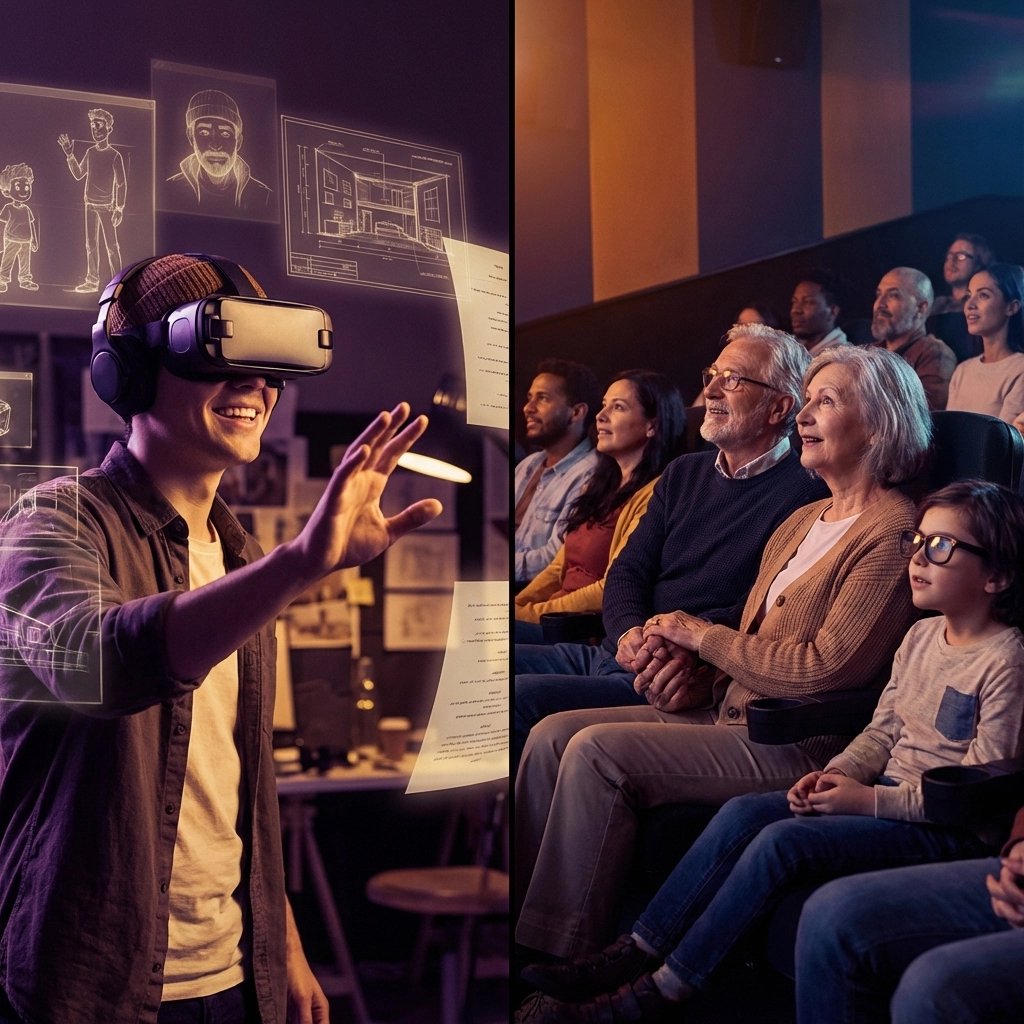
Once you know your audience, craft a compelling narrative with clear emotional beats rather than overwhelming viewers with endless choices. Think of it this way: your story should be like a well-planned road trip. You know the destination and the key stops along the way, but you're flexible enough to take interesting detours when they serve the journey.
Here's what works: • Define 3-4 core emotional moments you want your audience to experience • Map out their role: Are they passive observers or active participants? • If you're planning interactive elements, decide early whether you'll need a game engine like Unity or Unreal • Keep your narrative focused: immersive doesn't mean complicated
Remember, immersive storytelling is about making your audience feel like they're part of something bigger, not lost in a maze of options.
Step 2: Master the Art of Pre-Production Planning
This is where many independent filmmakers stumble. Immersive content demands more detailed pre-production than traditional filmmaking because you typically can't make on-set adjustments as easily. Those long, unbroken takes need to be planned to perfection.
Before you roll camera, establish a detailed schedule that accounts for both your creative vision and technical requirements. Every element: from blocking and motion to set layout, lighting, and audio: needs to serve your narrative purpose.

Think of it like conducting an orchestra. Every instrument (or in this case, every technical element) needs to work in harmony to create the experience you're after. This means:
• Plan your camera movements with surgical precision • Design your set layout to support the story's flow • Map out your lighting to enhance immersion, not distract from it • Consider audio design from day one: it's often more important than visuals for true immersion • Build in contingency time for the technical hiccups that will inevitably happen
The goal isn't to eliminate creativity: it's to create a framework strong enough to support your creative vision when you're in the thick of production.
Step 3: Design for Engagement Using Game Mechanics
Here's where we can learn a lot from game developers. They've spent decades figuring out how to keep people engaged for hours, and their techniques translate beautifully to immersive filmmaking.
The key is borrowing their engagement strategies without turning your film into a game. Think about creating moments of discovery, building anticipation, and rewarding your audience's attention.
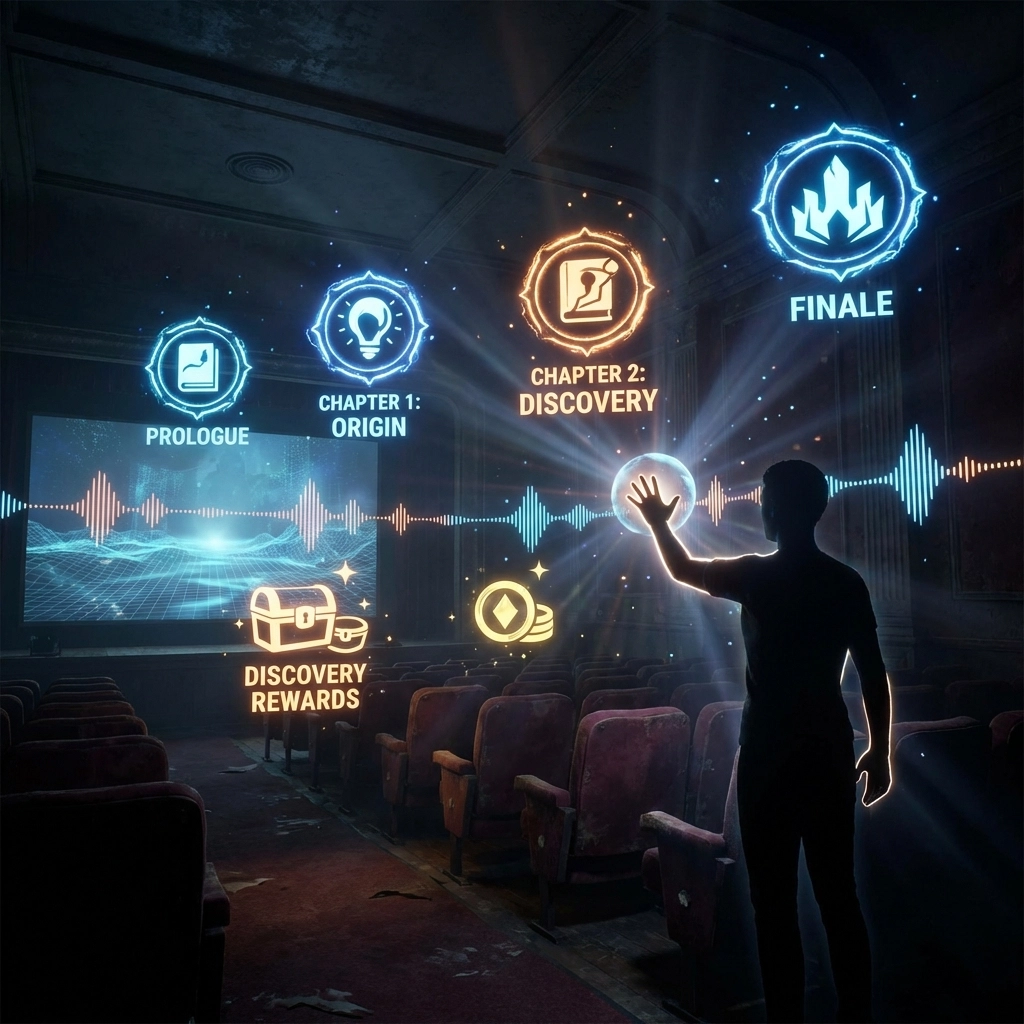
Some proven techniques include: • Chapter-based navigation that helps audiences anticipate what's coming next • Strategic mysteries that let viewers piece things together themselves • Surprise elements that reward exploration • Sound design that pulls people deeper into your world • Interactive hotspots that reveal additional story layers
But here's the crucial part: don't over-explain everything. Leave some gaps for your audience to fill in. People love the satisfaction of figuring things out, and that active mental engagement is what transforms passive viewers into invested participants.
Your interface design matters too. Make it intuitive and delightful to use. When someone discovers a new section or unlocks additional content, that little moment of joy keeps them engaged far longer than passive consumption ever could.
Step 4: Optimize for Mobile and Embrace Shorter Formats
We hate to break it to you, but most people will first encounter your immersive content on their phones. This isn't a limitation: it's an opportunity to reach audiences where they already are.
Mobile-first design doesn't mean dumbing down your content. It means being intentional about how your story translates across devices and ensuring the core experience remains powerful regardless of screen size.

Here's what we've learned about content duration: shorter usually wins. Even when audiences say they want feature-length immersive content, engagement data consistently shows they prefer 10-20 minute experiences. If you have a longer story to tell, consider breaking it into episodic segments that build toward a larger narrative.
Why does this work? Because viewers in immersive media are essentially directing their own attention. They're actively choosing where to look and what to focus on. That's mentally more demanding than traditional film viewing, so shorter segments prevent cognitive fatigue.
Mobile optimization checklist: • Test your content on various phone sizes and orientations • Ensure text is readable without zooming • Make interactive elements large enough for touch navigation • Optimize loading times: nobody waits for slow content anymore • Design for both landscape and portrait viewing when possible
Step 5: Build Your Community and Never Stop Evolving
Here's the step that separates successful immersive filmmakers from those who create one-off projects: building lasting relationships with your audience and continuously improving based on their feedback.
Start building your community before you finish your project. Crowdfunding isn't just about raising money: it's about identifying your most passionate fans and involving them in your creative journey. These early supporters become your advocates and help spread the word to their networks.

Think beyond the launch. Your project should be designed to extend across platforms and evolve over time. This might mean: • Adding new content based on audience feedback • Creating companion pieces that expand your world • Building cross-platform experiences that reward engaged viewers • Collaborating with creators who already have built-in audiences
The beauty of digital content is that you're not locked into your initial vision. Monitor how audiences interact with your work, track which sections generate the most engagement, and adapt accordingly. This agile approach to storytelling lets you refine your project based on real audience behavior rather than assumptions.
Most importantly, view each project as part of a larger creative journey. The relationships you build and lessons you learn from one immersive experience become the foundation for the next.
Your Next Steps Forward
Creating immersive content that truly engages audiences isn't about having the biggest budget or the latest technology. It's about understanding your viewers, planning meticulously, borrowing smart engagement techniques, optimizing for how people actually consume content, and building lasting relationships with your community.
The independent filmmaking landscape has never been more exciting or accessible. We have tools and distribution channels that were unimaginable just a few years ago. What separates successful creators from the rest isn't just talent: it's the strategic thinking to use these tools effectively.
Start with one project. Apply these five steps systematically. Learn from your audience's response. Then build on that foundation for your next immersive experience. Before you know it, you'll have developed not just a single piece of content, but a sustainable approach to creating the kind of immersive storytelling that builds careers and changes lives.
The future of entertainment is immersive, interactive, and deeply personal. As independent filmmakers, we're perfectly positioned to lead this transformation: one engaging story at a time.

Comments