

Are 30-Minute Episodes Dead? Do People Still Watch Long-Form Content?

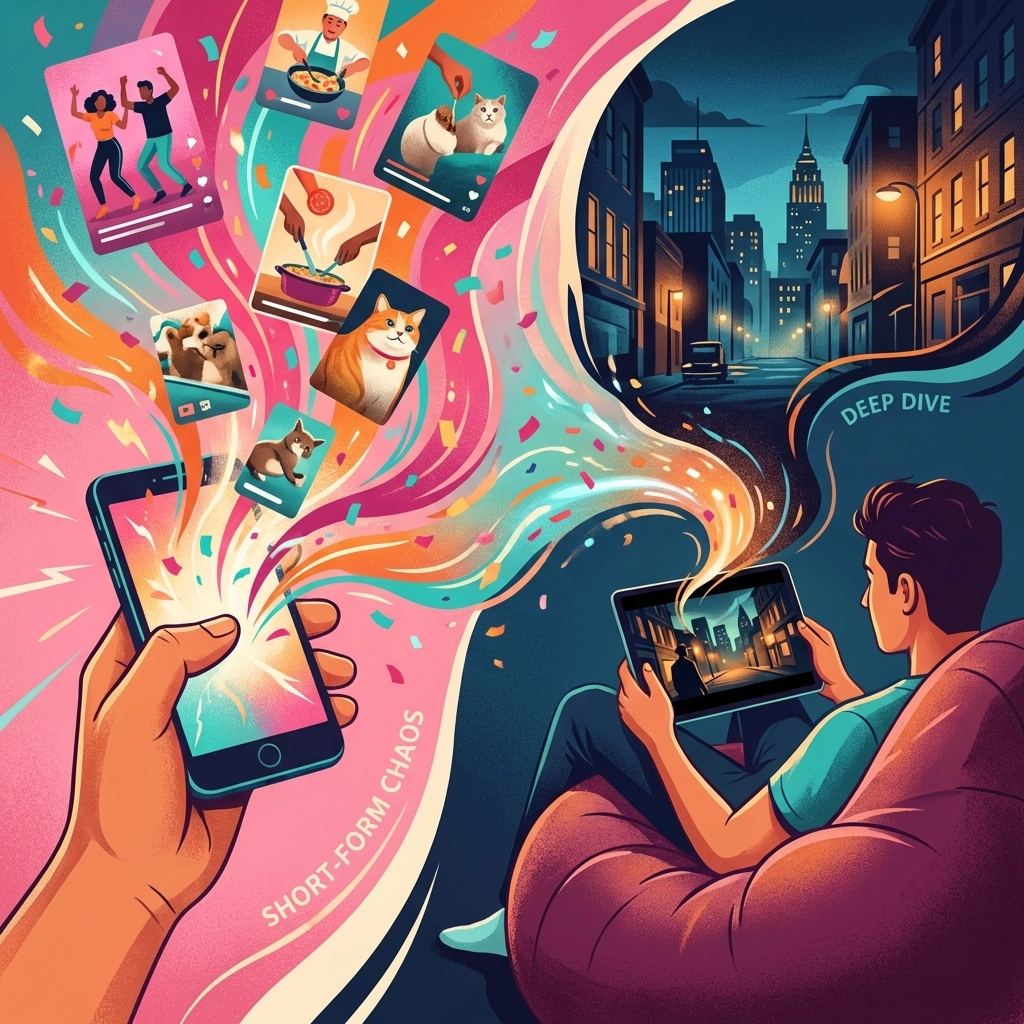
Let's be honest. We've all been there. You sit down after a long day, grab your phone, and suddenly you're 47 TikToks deep into your evening. Before you know it, an hour has vanished. Short-form content has a grip on us that's hard to shake.
But here's the thing. That same evening, millions of people are also settling in for their favorite 30-minute sitcom or binge-watching an entire season of a drama series. So what's really going on?
The entertainment landscape feels confusing right now. Everyone seems to have an opinion about what format is "winning." We wanted to dig into this question and figure out what's actually happening with long-form content in 2026.
The Short-Form Explosion
We can't talk about long-form content without acknowledging the elephant in the room. Short-form video has absolutely exploded over the past few years.
Platforms like TikTok, YouTube Shorts, and Instagram Reels have fundamentally changed how we consume media. The appeal is obvious:
Quick dopamine hits
Easy to consume on the go
Endless variety at your fingertips
No commitment required
This shift has led many to predict the death of traditional episode formats. Why would anyone sit through 30 minutes when they could watch 30 different one-minute videos instead?
It's a fair question. And honestly, it's one that keeps a lot of content creators up at night.

But Wait: 30-Minute Shows Aren't Going Anywhere
Here's where it gets interesting. Despite all the doom and gloom predictions, traditional episode formats are still very much alive.
Looking at recent TV ratings data from January 2026, we can see that 30-minute shows continue to pull in significant audiences. Shows like Family Guy are still drawing nearly 300,000 viewers per episode. Impractical Jokers and Beavis & Butt-Head are each attracting over 200,000 viewers in their time slots.
These aren't small numbers. They represent real people actively choosing to spend half an hour with a single piece of content.
And it's not just legacy shows hanging on. Major networks are still investing heavily in new 30-minute programming. ABC is rolling out a Scrubs revival in February 2026 with: you guessed it: 30-minute episodes. Studios wouldn't be making these investments if they didn't see a future in the format.
Why Long-Form Content Still Matters
So why do people still gravitate toward longer content when shorter options are everywhere? We think there are a few key reasons.
Deeper storytelling. Some stories simply can't be told in 60 seconds. Character development, plot twists, and emotional arcs need room to breathe. When you're invested in a story, you want that journey to unfold properly.
Intentional viewing. There's something different about sitting down to watch a show versus mindlessly scrolling. Long-form content represents a choice. You're saying, "I want to spend time with this."
Community and conversation. Weekly episodes create shared experiences. We talk about them at work. We theorize online. This communal aspect of entertainment doesn't work as well with bite-sized content.
Relaxation and escape. Sometimes we don't want quick hits. We want to sink into something. A 30-minute comedy or an hour-long drama provides genuine escape in a way that scrolling often doesn't.
The Real Picture: It's Not Either/Or
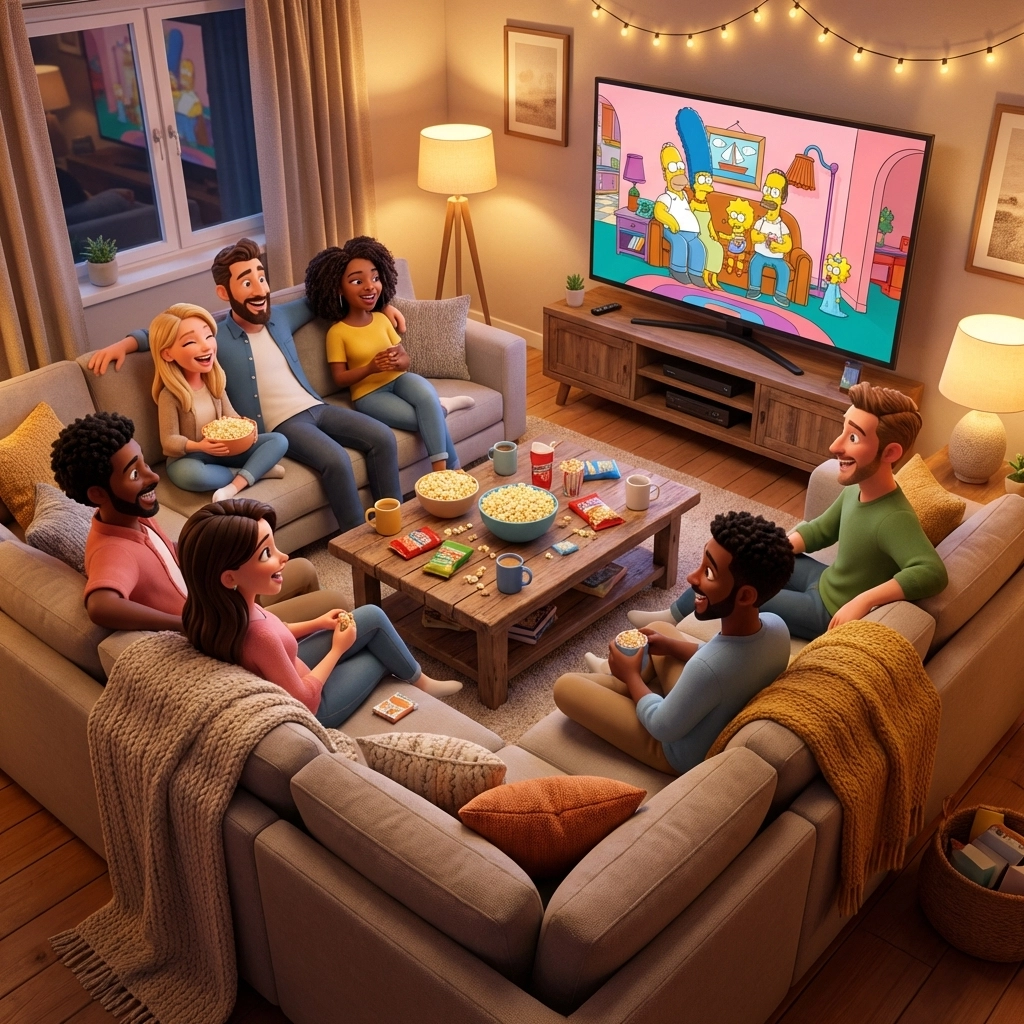
Here's what we've come to understand. This isn't a zero-sum game. People aren't choosing short-form OR long-form content. They're consuming both.
Nielsen streaming data shows diverse content lengths all performing well simultaneously. Limited series with tightly packed episodes sit alongside shows with extensive catalogs. Audiences are happily moving between formats depending on their mood, their time, and their context.
Think about your own habits for a second:
Morning commute? Maybe short videos.
Lunch break? Perhaps a quick YouTube clip.
Evening on the couch? Time for an actual show.
Weekend afternoon? Full movie or a mini-binge session.
We adapt our content consumption to our circumstances. The format that fits a 10-minute subway ride isn't the same one that fits a Saturday night in.
What This Means for Creators
If you're creating content in 2026, this should actually be encouraging news. You don't have to abandon long-form storytelling to stay relevant. But you do need to understand where your content fits in people's lives.
Here are some things we think are worth considering:
Know your audience's context. When and where will people watch your content? This should inform your format choices.
Quality over format. A great 30-minute episode will outperform a mediocre short clip every time. Focus on making something people genuinely want to watch.
Consider complementary content. Many successful shows use short-form content to promote and enhance their long-form offerings. These formats can work together.
Don't chase trends blindly. Just because everyone's making 15-second videos doesn't mean that's right for your story.
The Attention Economy Myth
There's a popular narrative that attention spans are shrinking. That we've all become goldfish who can't focus on anything longer than a minute.
We're not entirely convinced.
What's actually happening is that we've become more selective. We have endless options competing for our attention. So we're pickier about what we invest our time in. But when something genuinely captures our interest? We'll watch for hours.
Just look at the binge-watching phenomenon. People routinely sit through eight or ten hours of content in a single weekend when a new season drops. That's not short attention spans. That's the opposite.
The real challenge isn't making content shorter. It's making content compelling enough to earn people's time.
Where We Go From Here
So, are 30-minute episodes dead? Not even close.
The entertainment landscape is more diverse than ever. There's room for 15-second clips and 3-hour movies. For daily vlogs and weekly sitcoms. For micro-series and multi-season epics.
What matters most is creating content that resonates. Stories that people actually want to spend time with. Experiences that feel worth the investment.
At BrickHouse, we believe in the power of great storytelling: regardless of format. Whether you're into quick entertainment or deep dives into narrative worlds, there's a place for you here.
The future of content isn't about length. It's about connection. It's about creating something that makes people feel something. And that's never going out of style.
Ready to explore content that inspires? Browse our library and find your next favorite watch. Or learn more about us and what we're building at BrickHouse.
The 30-minute episode isn't dead. It's just sharing the stage with new formats. And honestly? That seems like a pretty exciting time to be watching: and creating( entertainment.)

Comments